Understanding Headaches in Children

Headaches in Kids: Could a Vision Problem Be the Cause?

Understanding Headaches in Children

Millions of children experience headaches every year, and the causes can range from stress and dehydration to underlying vision problems. Learning about the different types of headaches and their triggers helps you decide when it is time to seek professional eye care.

Children typically have three main types of headaches. Tension headaches often feel like a tight band around the head, and they usually come from muscle strain in the neck, shoulders, or eyes. Migraines cause throbbing pain, usually on one side of the head, and may include nausea or sensitivity to light. Cluster headaches are rare in children but cause very intense pain around one eye. Eye strain from vision problems can start or make any of these headache types worse.

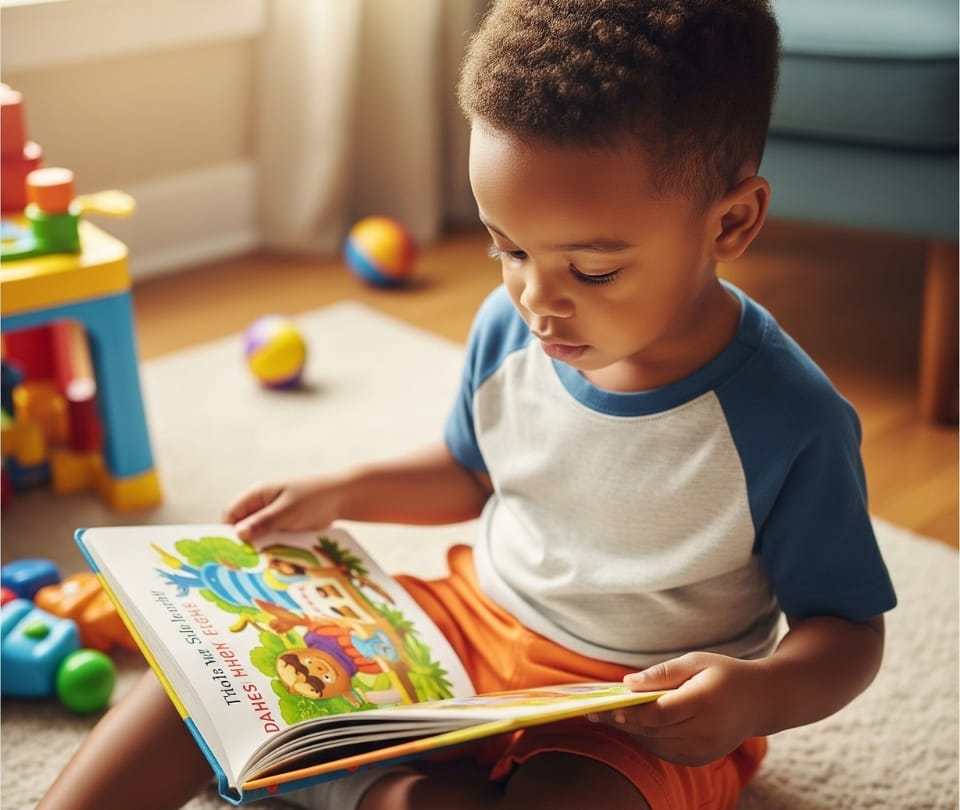
Even without vision problems, your child’s headaches can stem from many factors. These include not drinking enough water, having irregular sleep, stress, and certain foods. Environmental factors like bright lights or strong smells can also trigger them. However, if your child's headaches happen consistently during activities that need visual focus, such as reading or using a screen, you should strongly consider a vision problem as the cause.

It is very common for children to get headaches. Research shows that about 75% of children will have at least one headache by age 15. For 15–20% of school-aged children, the headaches are severe enough to interfere with their daily activities. Vision problems contribute to a meaningful number of these cases.

Your child’s eyes are constantly changing as they grow, especially during the school years. When children suddenly have more close-up work, like reading books and using tablets, their visual development may not keep up with the demands. This can lead to discomfort and strain. Regular eye exams help make sure your child's vision supports all their learning needs.

How Vision Problems Can Lead to Headaches

How Vision Problems Can Lead to Headaches

Your visual system needs precise coordination between your two eyes and your brain to create clear, comfortable vision. When something breaks down in this system, the resulting eye strain often causes headaches. This strain can come from refractive errors, focusing issues, or problems with eye coordination.

The focusing system in your eye, called accommodation, uses tiny muscles to change the shape of the lens and keep things clear at different distances. If your child has a hard time focusing, these muscles have to work too hard. This causes fatigue and leads to headaches. This is very common during near work like reading or using digital devices, and you might notice the strain most during homework time.

Refractive errors mean that light is not focusing correctly on the retina, which causes blurred vision and strain. The three main types are nearsightedness (myopia), farsightedness (hyperopia), and astigmatism. Even a mild refractive error can cause significant eye strain and headaches because the eye muscles are constantly trying to compensate. Correcting these issues with glasses is part of our routine eye care at ReFocus Eye Health Meriden.

For healthy vision, both eyes must work together perfectly as a team. If this teamwork breaks down, your child may get eye fatigue, depth perception problems, or double vision, all of which lead to headaches. Common binocular vision disorders, like convergence insufficiency, are frequently missed in simple vision screenings. Our comprehensive eye exams at our 12 Curtis St. location check for these issues using advanced technology.

Spending too much time on digital screens contributes to digital eye strain, which can cause headaches, blurred vision, and dry eyes. When children focus intensely on a screen, they blink less often, which leads to dry eyes. The combination of intense focus, dry eyes, and often poor posture creates a cycle that leads to vision-related headaches.

These are conditions where the child’s focusing system becomes overworked and gets temporarily 'stuck'. This causes headaches, especially during or right after a close-up task. The eye muscles have a hard time relaxing after long periods of close work, leading to pain and sometimes blurred distance vision. These issues often respond well to specific lens prescriptions or vision therapy.

Signs That Vision Might Be the Culprit

Signs That Vision Might Be the Culprit

As a parent, you can look for specific behaviors that suggest your child’s headaches are related to vision strain. Recognizing these signs early is the first step toward getting relief for your child.

When children squint, they are trying to change the focus of their eyes to see better, but this action strains the eye muscles and can trigger a headache. Frequent eye rubbing is also a sign of tired, strained eyes. These behaviors are especially telling if they happen when your child is reading, looking at a board, or using a device.

If your child’s headaches happen consistently during or right after they do visually demanding activities, the cause is very likely vision strain. This pattern is common when children are doing homework or using recreational screens. The pain may start as a mild ache behind the eyes and become more severe.

Headaches often go hand-in-hand with complaints that words on a page are moving, blurry, or doubled. When vision is not clear, the brain has to work harder to process the information, which causes mental and physical fatigue. If your child reports seeing double, even for a short time, they need professional attention right away.

Sometimes, a child will suddenly become reluctant to read or finish their homework because they are unconsciously avoiding the tasks that trigger their headaches. This avoidance can quickly affect their school performance and their self-esteem. You might notice them making excuses to avoid reading or showing less interest in visually demanding subjects.

When to See an Eye Doctor

Knowing when to schedule an appointment for professional eye care can mean the difference between ongoing discomfort and quick relief for your child. Certain warning signs mean you should seek immediate attention, while others point to the need for a comprehensive eye examination.

Some symptoms that happen along with a headache require urgent medical evaluation. You should seek immediate care for:

  • Sudden onset of severe headaches
  • Headaches that progressively get worse over days or weeks
  • Headaches combined with a fever and stiff neck
  • Any headache that follows a head injury
  • Sudden vision loss, flashing lights, or seeing halos
  • Headaches that wake your child from sleep or come with persistent vomiting

When you visit ReFocus Eye Health Meriden, a thorough pediatric eye exam is much more than just reading an eye chart. Our eye doctors will assess your child’s visual acuity, check how the eyes work together, evaluate their focusing ability, and examine the overall health of their eyes. We use advanced technology to get a complete picture of your child's vision, which is key to diagnosing subtle problems like binocular vision issues.

Vision can change quickly as children grow, so regular monitoring is essential for headache-free days. We recommend a child’s first eye exam between 6 and 12 months old, another between ages 3 and 5, and then annual exams once they start school. If your child is having frequent headaches or showing signs of vision problems, our eye doctors in Meriden may recommend more frequent examinations.

Treatment Options for Vision-Related Headaches

Treatment Options for Vision-Related Headaches

Once our eye doctors identify a vision problem as the source of your child's headaches, we have several effective options to bring relief. The exact treatment depends on the specific condition, but most children feel much better once their vision needs are fully met.

Corrective lenses are often the first and most effective way to treat these headaches. Glasses correct refractive errors like nearsightedness or farsightedness, allowing the eyes to focus without strain. For children with binocular vision problems, special prisms can be built into the lenses to help their eyes align. You will often notice an improvement in headache frequency within days.

Vision therapy is a specialized program of exercises designed to improve how the eyes work together and how the brain processes visual information. This treatment is very effective for focusing disorders, binocular vision problems, and eye tracking issues that glasses alone cannot correct. We offer comprehensive vision therapy to patients throughout the Greater New Haven-Milford Metropolitan Area.

Simple changes at home can significantly reduce eye strain. Ensure your child has proper lighting for reading. Teach them the 20-20-20 rule to prevent digital eye strain: every 20 minutes, they should look at something 20 feet away for at least 20 seconds. Encouraging regular breaks and limiting recreational screen time also helps.

Frequently Asked Questions

Frequently Asked Questions

We know parents have many questions about how vision problems cause headaches and what the next steps should be. These clear answers will help you feel more confident about supporting your child's eye health.

Yes, if the headaches are coming from a vision problem, properly prescribed glasses can provide significant relief. Studies show that many children experience a great improvement once their refractive errors are corrected. The most important thing is that the glasses are worn consistently during activities that require close visual focus.

Most children feel a reduction in their headaches within the first week of wearing new glasses. Some children with stronger prescriptions may need 2 to 3 weeks to fully adapt to their new vision. The timeline depends on how severe the original vision problem was.

Headaches that are related to vision usually happen during or right after an activity that demands visual focus, such as reading or screen time. They may be paired with squinting or eye rubbing and often get better with eye rest. Keeping a headache diary is a good way to track patterns that might point to vision involvement.

Vision-related headaches can start at any age, but they become much more common when children begin school, usually around ages 6 to 8. This is because the combination of learning to read, increased homework, and more screen time places a greater demand on their focusing system.

Yes, sometimes motion sickness is linked to binocular vision problems that affect eye coordination and depth perception. Children with these issues may feel dizzy or get headaches during car rides. Correcting the vision problem often makes motion sensitivity much better.

If your child already wears glasses but has new or worsening headaches, their prescription has likely changed. Children’s vision shifts as they grow. Any increase in headaches, squinting, or complaints about blurry vision is a good reason to get a prescription check from our eye doctors.

Taking Care of Your Child's Eyes and Preventing Future Problems

Taking Care of Your Child's Eyes and Preventing Future Problems

Preventing problems is always the best approach for eye health. By setting up healthy visual habits early and making sure your child has regular eye care, you can help them avoid the discomfort that comes with untreated vision issues. The team at ReFocus Eye Health Meriden, on Curtis St., is here to provide the expertise and comprehensive care your child needs for clear, comfortable vision throughout their school years and beyond.

Contact Us

Google review
4.8
(484)

Monday: 8:30am-5pm
Tuesday: 8:30am-5pm
Wednesday: 8:30am-5pm
Thursday: 8:30am-5pm
Friday: 8:30am-5pm
Saturday: Closed
Sunday: Closed
Meriden-Curtis
Privacy Overview